 Orlando electrical permits: what homeowners should knowWhich office issues your permit, what usually needs one, and how to check it.
 How to verify a Florida electrical contractor licenseCertified (EC) vs registered (ER) licenses and how to look one up.
 Lightning, power surges and electrical protection in Central FloridaHow surges reach your home, what protects it, and what to do after a strike.
Lightning, power surges and electrical protection in Central Florida
How surges reach your home, what protects it, and what to do after a strike.
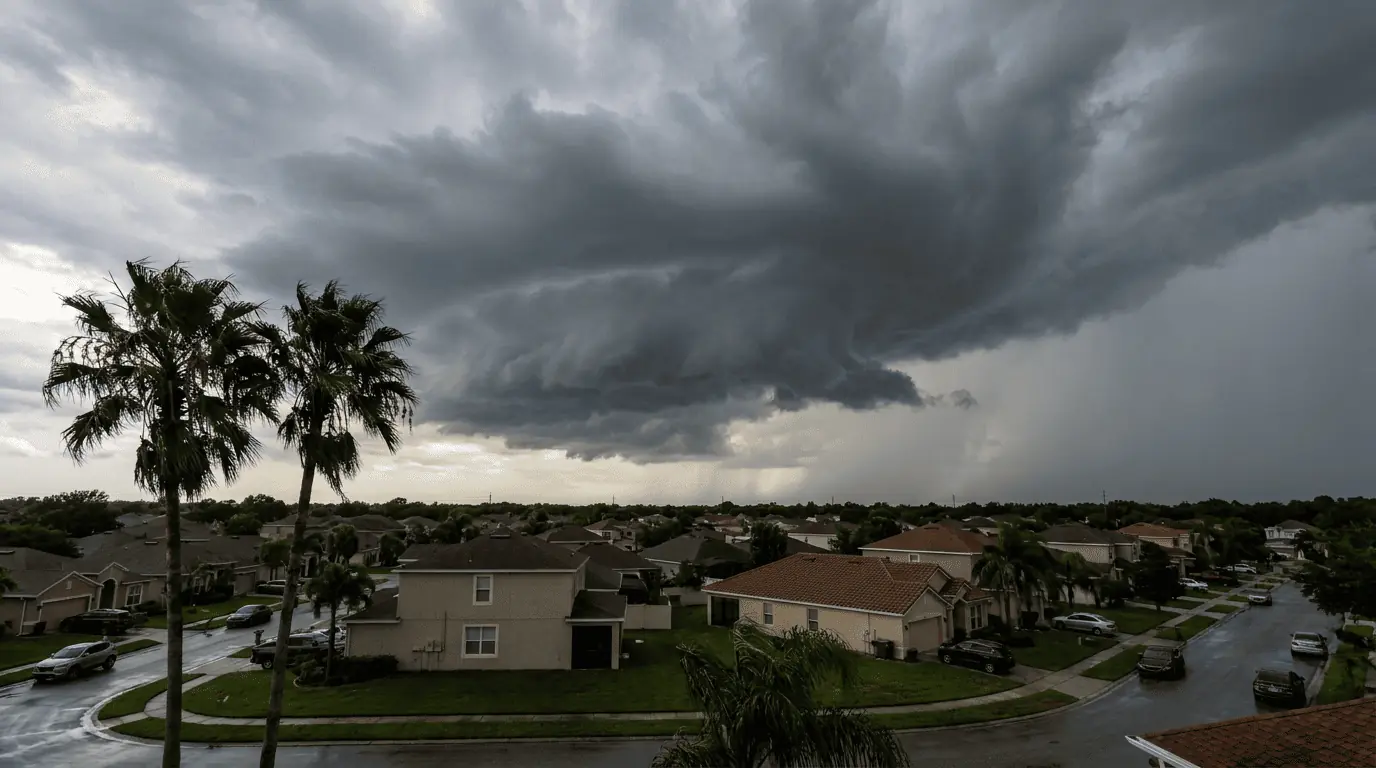
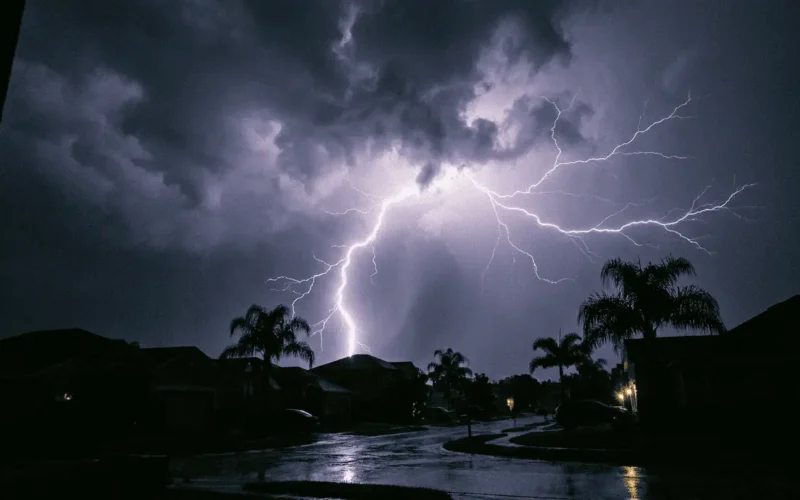
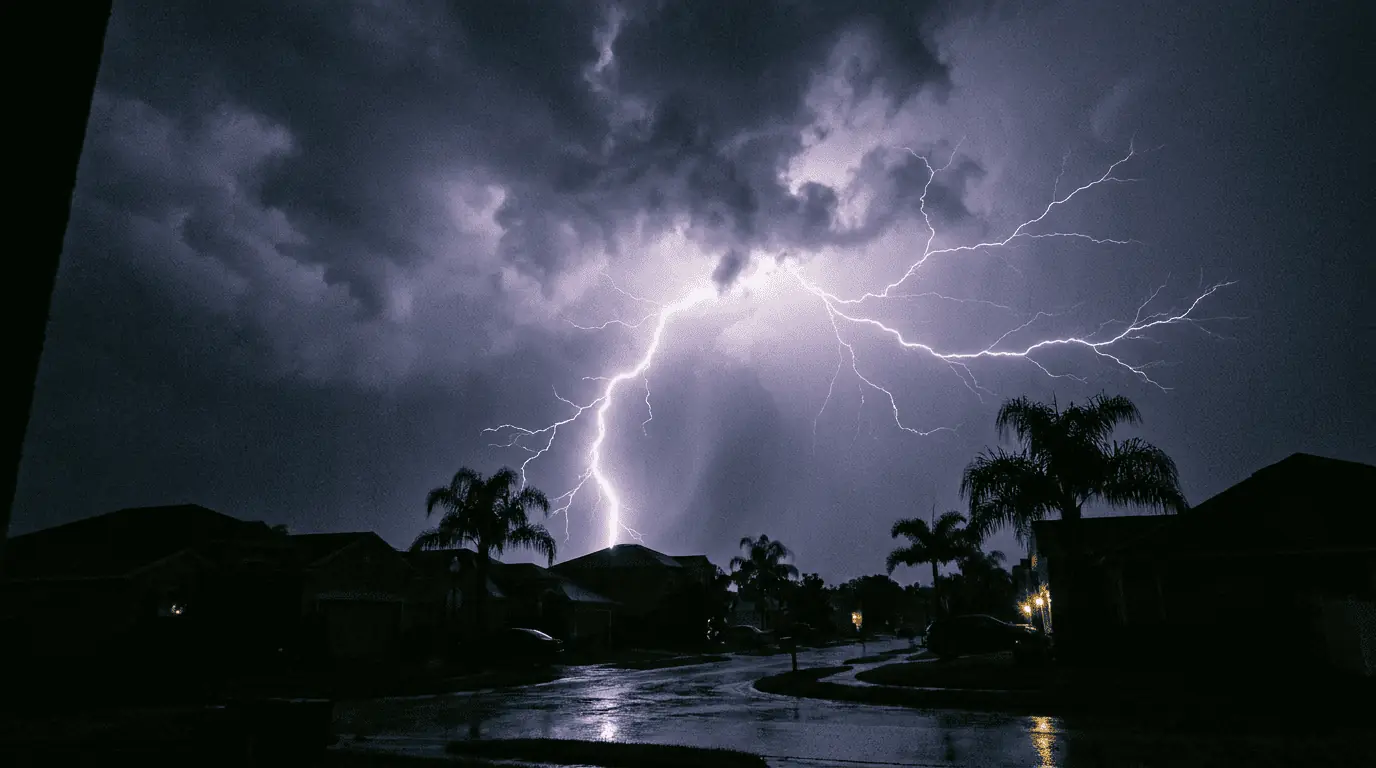
The National Weather Service office in Melbourne reports roughly 90 to 100 thunderstorm days a year in east-central Florida, mostly in summer, with July usually the most active month.
How surges reach your home
Nearby lightning and utility switching can send surges through power, cable and phone lines. A whole-home surge protective device at the panel limits surges on the power lines; point-of-use protectors add a second layer for electronics.
After a nearby strike
- If you smell burning or see smoke, leave and call 911
- Check breakers and GFCIs; don’t keep resetting one that trips
- Note which devices stopped working, for your insurer
- Have an electrician check the panel and the surge device
Last reviewed: 2026-11-01
Need an electrician for this?
Related services
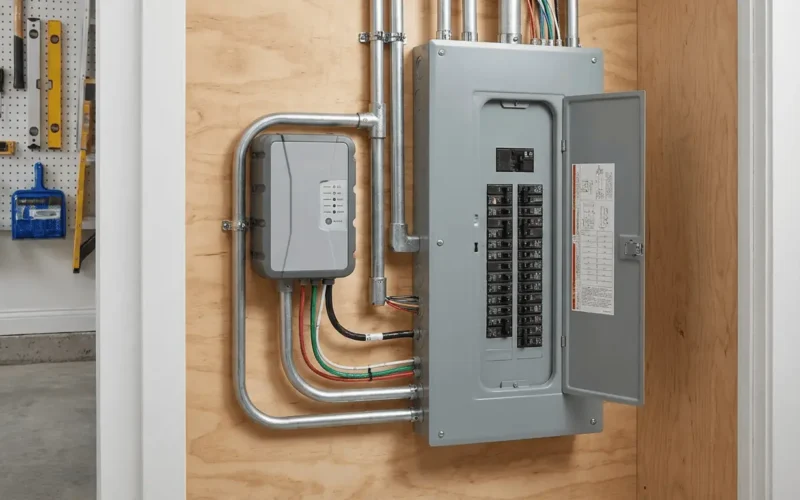
Whole-Home Surge & Lightning Protection
Panel-mounted surge protection for Central Florida's thunderstorm season.
Learn more →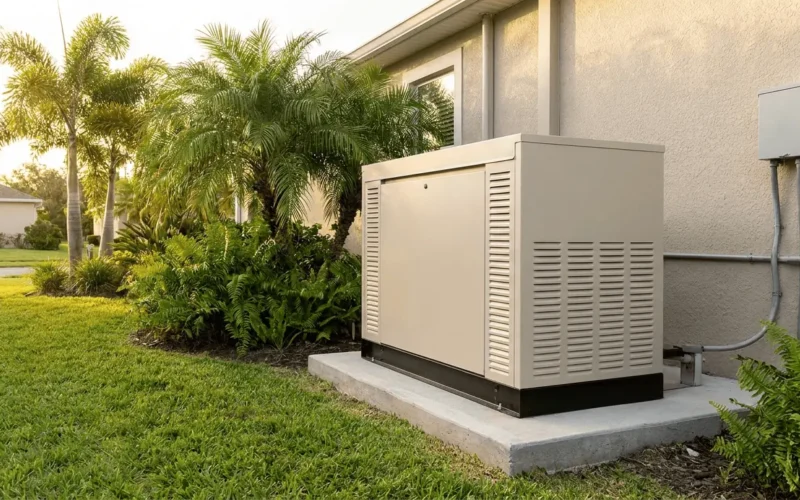
Generators & Backup Power
Interlocks, transfer switches and standby generators for hurricane season.
Learn more →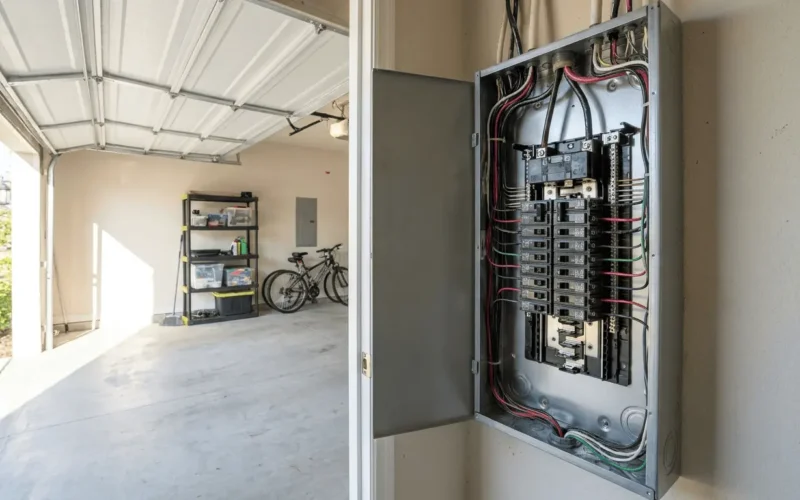
Panel Replacement & Service Upgrades
Outdated panels, 4-point inspection items, more capacity for EVs, pools and additions.
Learn more →